Ice threat isn’t just the roads; it’s also what’s above them
AUGUSTA, Ga. (WRDW/WAGT) - Augusta-Richmond County crews conducted last-minute preparations Saturday as a winter storm approached the CSRA.
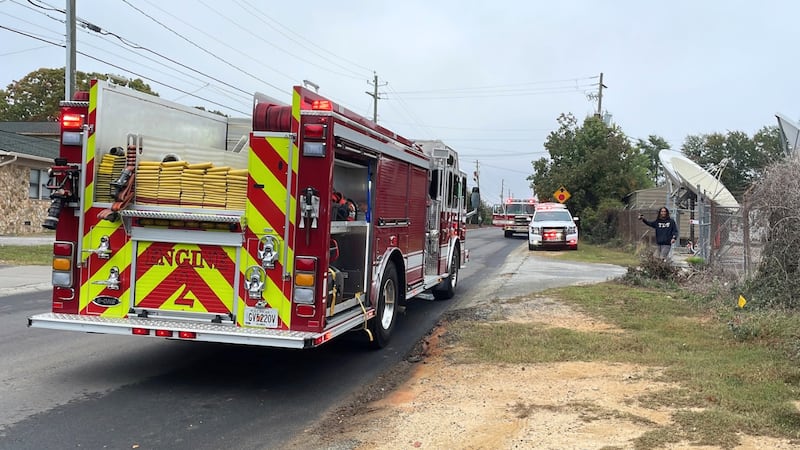
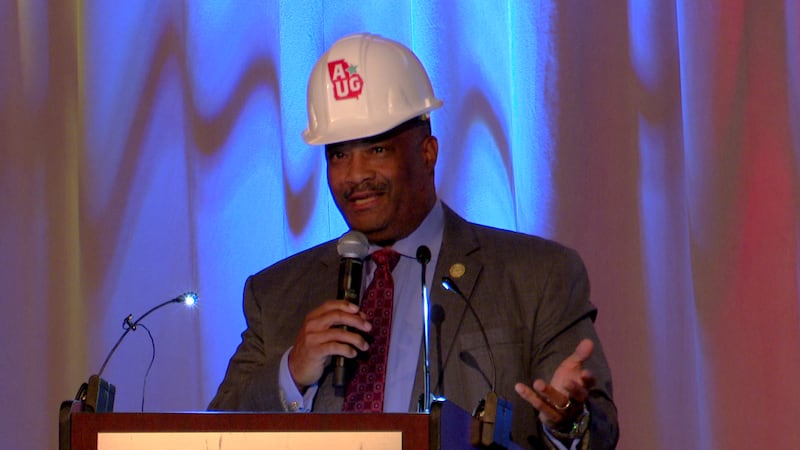
City Emergency Management Director Kymber Keaton said two crews are split across Richmond County on 12-hour rotations, focusing on areas that ice first: bridges, high-traffic corridors, and roads tied to life safety.
“The two crews, so they split their shifts up the start of their shift. They do the salting, and then the next crew come in, they’ll do the salting as well. So they hit those major, their priority places,” Keaton said. “Like I said, the bridge is usually being the first ones, and then after that it’s a triage response from 311, or when the crews do their continual cycle of road surveys and they see a spot that’s building up a lot of precipitation on the road, then they’ll treat that as they see.”
Keaton said the goal is simple: keep the county moving and keep people safe.
MORE FROM NEWS 12
CSRA winter weather: A survival guide
- Protecting your pets during extremely cold weather
- What can renters do if pipes burst due to winter weather?
- Don’t get burned by cold-weather home repair scams
- Local fire crews warn of heating hazards in cold weather
- How to spot warning signs of frostbite, hypothermia
- Protecting your most precious plants from winter’s wrath
- Stay inside if you can during cold snap, experts say
- Winter weather myths debunked to keep you safe
- If your pipes freeze or break, follow this advice from experts
- How to get help with your heating bill in the CSRA
- What to know if you’ll be driving in subfreezing weather
- How to protect your heating system during freezing temperatures
- How to stay warm on a budget and beat the cold weather
- Trouble from burst pipes can linger well beyond a freeze
- Keep your pipes from bursting in freezing weather
- How to prepare your home for major freeze
Officials say the biggest concern isn’t the roads but what’s above them — power lines and trees. Emergency management has been telling residents all week to prepare, and now Keaton says residents should focus on their homes.
“That can look like unhosing your or unhooking your hose from outside, gathering your blankets, gathering your flashlights and your batteries and things like that. So all your internal stuff. Now that your family and everything are in one community, one place, you are gonna focus on getting those things ready now,” Keaton said.
May Park is open overnight for those who need shelter. Augusta Transit will run rides to shelters Sunday evening from 5 to 9 p.m.
The county is activating at a Level 2 Emergency Operations Center. Keaton said that means only essential partners like fire, 911 and engineering are responding. They’re meeting virtually, not together in person like during Hurricane Helene.
Keaton said they can scale up if outages spread or shelters fill. For now, their message is clear: stay off the roads so crews can work safely.
Key travel tips
- Be careful walking and especially driving on ice, including potential black ice.
- If it is absolutely necessary to travel during a winter storm, slow down, increase your following distance, and stay alert.
- In case of a minor collision without injuries, move your vehicle off the roadway and call law enforcement.
- Ensure family or friends know your traveling plans, specifically where you’re going and the approximate time of arrival.
- Have a full tank of gas.
- Wear your seat belt.
- Use your blinkers and drive safely.
- Always use your judgment behind the wheel.
- Bring hats, gloves, a balaclava, earmuffs and a scarf to protect your face from the bitter cold.
- Tires should be inspected to ensure they are properly inflated and have sufficient tread depth.
- Make sure your car battery is charged. Check with your local mechanic or visit AAA to make sure your car has a good battery.
- Don’t use cruise control in precipitation and freezing temperatures.
- Keep your phone charged and keep a portable charger with you.
- Equip your vehicle with a snow shovel, scraper, and some warm clothing and blankets.
- Check washer fluid and anti-freeze to ensure they are at adequate levels.
- Make sure to get some bags of salt if it gets icy on the sidewalks and roads.
- Drive slowly and smoothly. Avoid sudden hard acceleration, braking, or steering. With antilock brakes, use steady pressure – don’t pump. Pumping disables the antilock brakes and makes a skid more likely.
- Watch for icy surfaces on bridges and intersections, even if the rest of the road seems to be in good condition.
- If you get stuck in snow or ice, straighten the wheel, and accelerate slowly. Add sand, traction mats, or cat litter under the drive wheels to help avoid spinning the tires.
- If you’re stalled, remain in your vehicle where rescuers are most likely to find you. Do not set out on foot unless you can see a building close by where you know you can take shelter.
- Don’t idle for a long time with the windows up or in an enclosed space.
- If your tires lose traction and you begin to skid, continue to look, and steer in the direction you want to go. If the drive wheels start to spin or slide while going up a hill, ease off the accelerator slightly and then gently resume speed.
- Keep your hazard lights on if you’re stuck on the side of the road.
Copyright 2026 WRDW/WAGT. All rights reserved.