40% of Georgia counties, 6 in the CSRA, now have no pediatrician
ATLANTA, Ga. - Hospitals across the United States have sharply cut their capacity to care for children over the past two decades.
That leaves many rural communities farther from pediatric hospital care and strains the remaining providers, a new national study and an Atlanta News First investigation found.
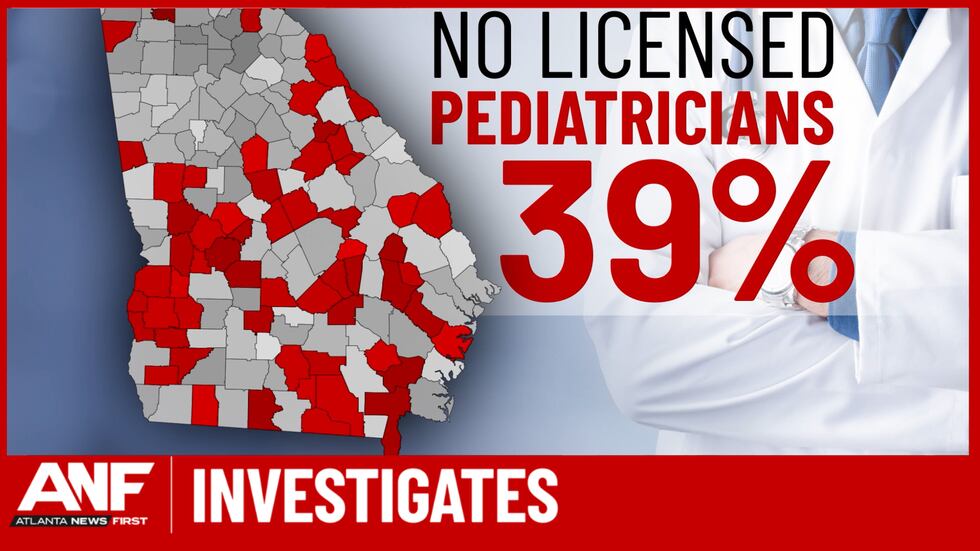
That has real-world consequences in Georgia, where 63 of the state’s 159 counties — nearly 40 percent — have no practicing pediatrician.
In the CSRA, those areas include Warren, Taliaferro, Hancock, Glascock, Jenkins and Screven counties.
The study, led by Dr. Kenneth A. Michelson and published in Pediatrics, analyzed U.S. acute-care hospitals from 2003 to 2022 and found a dramatic shift toward facilities with minimal pediatric services.
Sewage tests can detect measles: Why don’t Ga., S.C. do that?
Wastewater surveillance could show the spread of measles, but the two-state doesn't have extensive testing in place.

Hospitals categorized as the lowest level of pediatric capability rose from 26.7% of hospitals in 2003 to 65.0% in 2022 — an adjusted increase of 137% — while higher-capability hospitals decreased substantially. The analysis, based on the Healthcare Cost and Utilization Project Kids’ Inpatient Database, covered a mean of 3,927 hospitals per year.
“What we found was that hospitals have become less capable of taking care of kids over time,” Michelson said.
The losses were greatest for moderate-intensity pediatric services that typically require an inpatient pediatric unit or pediatric surgical services.
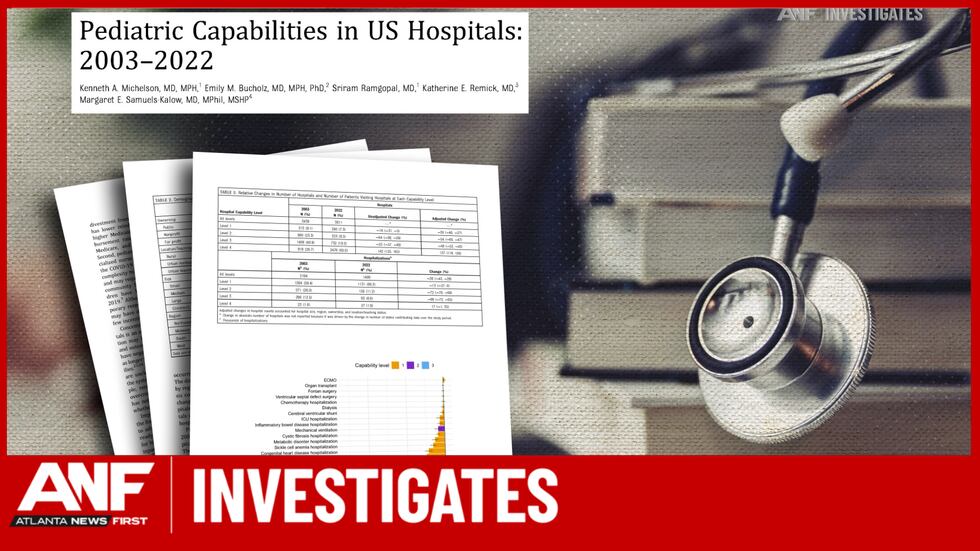
Between 2003 and 2022, the percentage of hospitals providing appendectomies for children fell 50.5%; pneumonia hospitalizations fell 42.3%; and asthma hospitalizations fell 41.1%, the study found. Overall, 17 of 24 measured capabilities were available at fewer hospitals in 2022 than in 2003.
“More than half of rural units actually closed over a 15-year period, which is amazing and huge,” Michelson said.
Nearly 1,000 may have been exposed to measles at S.C. museum
More than 100 cases of measles has been added to the Upstate outbreak since Friday, with the outbreak possibly moving to the Midlands.

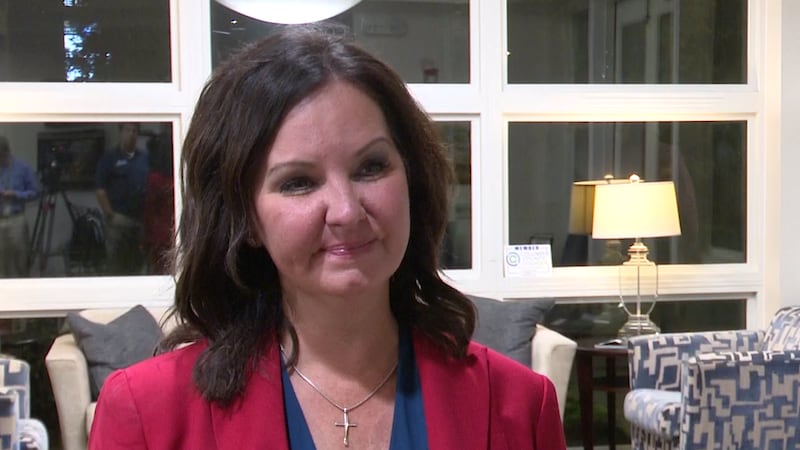
In Hancock County, resident Markisha Hawkins said she found no pediatricians when she searched online for care for her prematurely born sons. “It was scary because I got this preemie; not the regular preemie, they call them ‘micro-preemies,’” Hawkins said. “Anything can go wrong at any moment with those kids.”
Hawkins drives about 30 minutes to see Dr. Christy Mountain-Bonner, the only pediatrician in private practice in neighboring Washington County. Mountain-Bonner cares for roughly 4,000 children; some families travel nearly an hour to see her.
Bird flu strikes a Georgia commercial flock of 71,000
This is the first case of the year and the fourth at a commercial poultry operation in Georgia since the ongoing, nationwide outbreak began in February 2022.
“It scares me because in those other counties, I know there are premature births and premature babies needing care,” Dr. Mountain-Bonner said. “Sometimes I find in rural communities, there are issues with transportation and, issues with finances to fund transportation.”
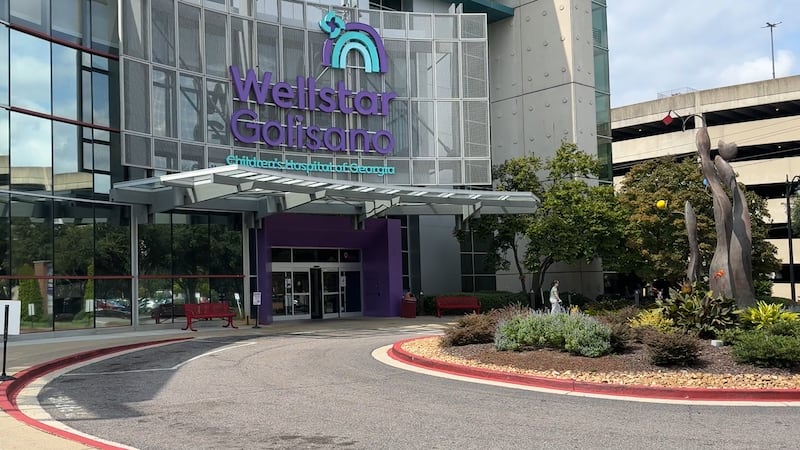
For families with children needing specialized or inpatient pediatric care, the closures and divestments mean longer travel times and more transfers to distant hospitals. The Pediatrics study notes regionalization of pediatric services — while concentrating specialized care in a smaller number of centers — can leave community hospitals without the capability to stabilize or treat children for a range of common conditions.
The study’s authors said the trend likely reflects several forces, including lower reimbursement for pediatric care; staffing shortages of pediatric-trained nurses and physicians; and declining pediatric inpatient volumes that reduce the incentive for hospitals to maintain pediatric services.
Will this week be a turning point in 2-state’s flu season?
Last week’s national flu tracker showed Ga., S.C. among the hardest-hit states. What will this week's map bring?
To address the shortage, Georgia offers medical students tuition reimbursement up to $150,000 if they work in rural, underserved communities for at least four years.
Local parents said the presence of a pediatrician can make the difference in outcomes for medically fragile children. After a long recovery, Hawkins’ sons are now healthy, and she praised the pediatrician who cared for them. “General practitioners are okay for general things, but if you have kids, you want somebody you can see about your kid,” she said. “Their bodies are different.”
The Pediatrics paper calls for policy responses that could include improving Medicaid reimbursement; strengthening pediatric readiness in community emergency departments; expanding teleconsultation; and considering programs to support pediatric services in rural hospitals.
The authors warn the rapid loss of moderate-intensity pediatric services narrows the nation’s capacity to provide timely, local care for children across a range of conditions and complexity.
Copyright 2026 WRDW/WAGT. All rights reserved.