What causes dry mouth, and what can you do about it?
This is why saliva matters and when to talk to your dentist
(Aging Untold) — Dry mouth can show up alongside soreness, bad breath and trouble with dentures.
It affects 40% of adults 80 and up and 30% of adults 65 and up, according to the American Dental Association.
What causes dry mouth?
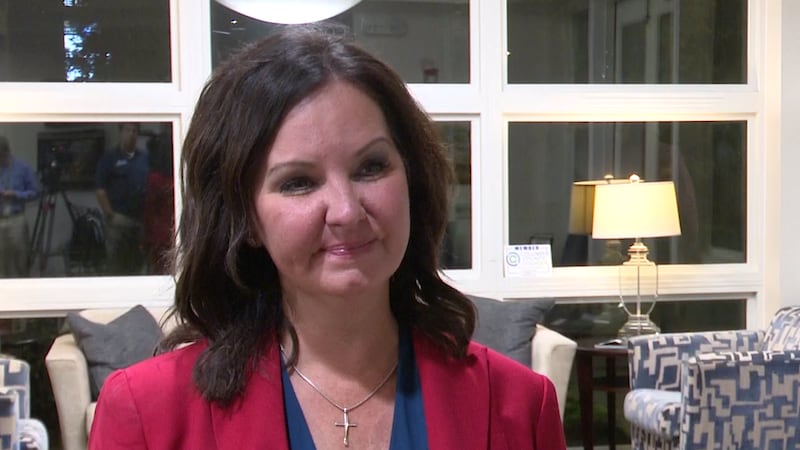
Dry mouth happens when the salivary glands do not produce enough fluid, and there are several causes for it, Dr. Rhea Rogers, a board-certified physician, said. Finding that reason is the first step.
“Basically your salivary glands are just not producing enough fluid. And so you want to know why. You know, always find your why,” Rogers said.
Rogers listed several possible causes:
- Dehydration
“If you’re dehydrated you’re not producing fluid,” Rogers said.
- Damage to nerves
- Cancer
- Underlying autoimmune disorders
Rogers said a cause such as an autoimmune disorder might be a clue that “something else is going on.”
- Medications
Rogers also said dry mouth can be an early sign in a person who is otherwise healthy.
“That might be their clue that you have something going on in your body. And this is your early sign,” Rogers said.
Why saliva matters
“Sam” Cradduck, a gerontologist, said saliva does more than keep the mouth wet.
“People don’t realize just how important saliva is,” she said. “Think about driving a car without any engine oil. It’s not going to last long.”
Without enough saliva, Cradduck said talking, eating and chewing are difficult.
“It is the mouthwash for your body. It really is,” she said.
Rogers added that saliva cleanses and protects the enamel.
Dentures do not make saliva less important, she said. Dry mouth can affect how dentures fit and how a person chews, and it can lead to discomfort, pain and more sores.
Ways to manage dry mouth
Cradduck said she has dealt with dry mouth for a long time because of an autoimmune condition and shared what she does.
“I keep gum in all the time. There is gum in my mouth right now. I sleep with gum in, candy, little hard drops, things like that that cause your mouth to salivate,” Cradduck said.
Cradduck also brought up mouthwash.
“A lot of mouthwash has alcohol, and alcohol is drying, so that’s counterintuitive,” she said.
“A lot of the things that will dry your mouth, you need to stop doing and avoid doing,” Cradduck said, and named drinking and smoking.
Cradduck also mentioned sticky drops that can be placed on the gums.
“It helps, for some people,” she said.
Cradduck described a person who had salivary glands removed because of cancer and uses stickers that go around the gums.
Rogers said treatments either stimulate a gland that is underproducing or provide moisture when the gland cannot produce.
Talk with your dentist
Aging expert Amy O’Rourke said a regular conversation with a dentist can help.
“I think that idea of having a conversation with your dentist every year or twice a year, however often you go: How’s my mouth doing? How’s the dryness?” O’Rourke said.
She said possible signs of trouble with dry mouth include coughing a lot, having recurring infections and avoiding certain foods.
“Stay on top of it by reaching out to the professionals,” O’Rourke said.
Key takeaways
- Dry mouth means the salivary glands are not producing enough fluid. Dehydration, nerve damage, cancer, autoimmune disorders and medications can all play a role, according to Dr. Rhea Rogers.
- Dry mouth can be an early sign. Rogers said it can point to something going on in the body, even in a person who is healthy and not taking medications.
- Dentures are affected too. Dry mouth can change how dentures feel and how a person chews, and it can lead to pain and sores, Rogers said.
- Ask your dentist. Bring up dryness at regular visits, and mention coughing, recurring infections or avoiding certain foods, Amy O’Rourke said.
This program is provided for educational and informational purposes only and does not constitute providing medical advice or professional services. The information provided should not be used for diagnosing or treating a health problem or disease, and those seeking personal medical advice should consult with a licensed physician. Always seek the advice of your doctor or other qualified health provider regarding a medical condition. Never disregard professional medical advice or delay in seeking it because of something you have seen on this program. If you think you may have a medical emergency, call 911 or go to the nearest emergency room immediately. No physician-patient relationship is created by this program or its use. Aging Untold/Gray Media, nor its employees, contractors or agents, nor any contributor to this program, makes any representations, express or implied, with respect to the information provided herein or to its use.
Copyright 2026 Gray Media Group, Inc. All Rights Reserved.