Hurricane preparedness: Remember to check your emergency supply kit
With September being peak hurricane season, experts say now is the time to make sure residents are ready for anything.
Items such as bottled water and nonperishable food were in high demand after Hurricane Helene. Now is a chance to add a few of each to the next grocery trip.
Residents should also check the batteries in flashlights and charge battery banks. Those with generators should make sure they still work and have gas ready.
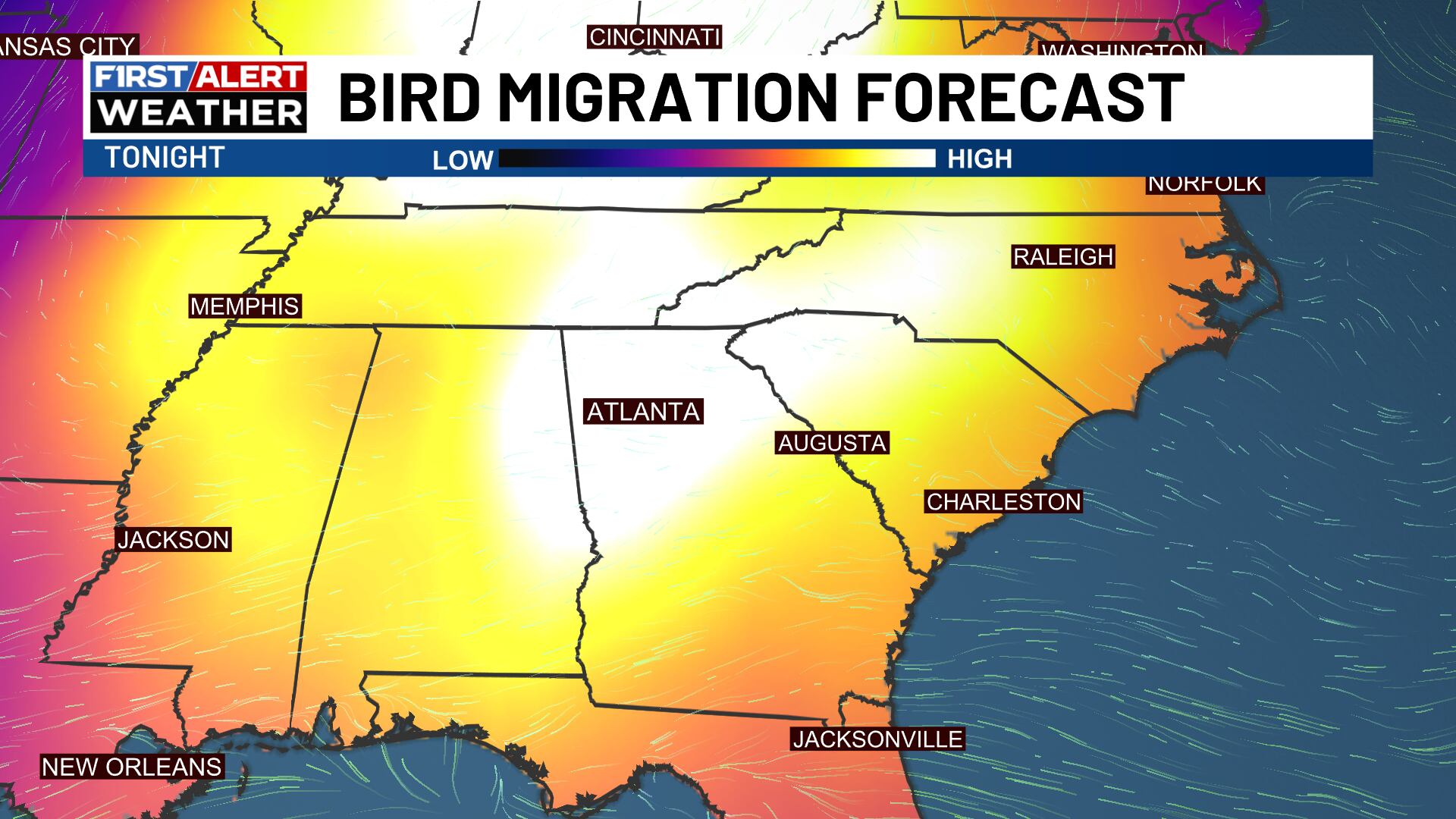
How weather radar follows bird migration across the CSRA
Each spring and autumn, billions of birds journey across North America to reach breeding grounds or winter havens.
Officials recommend assembling a dedicated medical go-bag that includes:
- A two-week supply of all current prescription medications
- A printed list of medications and dosages
- Hard copies of health insurance cards and identification
- A basic first-aid kit
- Bottled water and nonperishable food
- Flashlights and protective face masks
- Comfort items for children
Experts stress the value of physical documentation over digital records when traveling during an evacuation.
But you can also set up and update the Medical ID feature on your smartphone. Emergency room and trauma staff can access those details—including emergency contacts, allergies, and blood type—even if the device remains locked.
For households with children, establishing a clear family action plan is critical in case family members are separated during severe weather.
Golfers face modified tee times, daily routings during work at The Patch
Tee times at Augusta Municipal Golf Course will be impacted due to course improvements starting this week.

Many storm-related injuries happen before and after a hurricane during preparation and cleanup. Officials also warned residents using portable generators to never run them inside a home or inside an enclosed garage, which can cause lethal carbon monoxide poisoning or fire hazards.
Copyright 2026 WRDW/WAGT. All rights reserved.