How a secret ‘Ghost Army’ used tactical deception to save thousands of lives during WWII
This top-secret unit of actors and artists carried out missions so classified that many took the story to their graves
(Aging Untold) — Of all the tales of heroism to emerge from the battlefields of World War II, one of the most remarkable remained a closely guarded secret for more than 50 years.
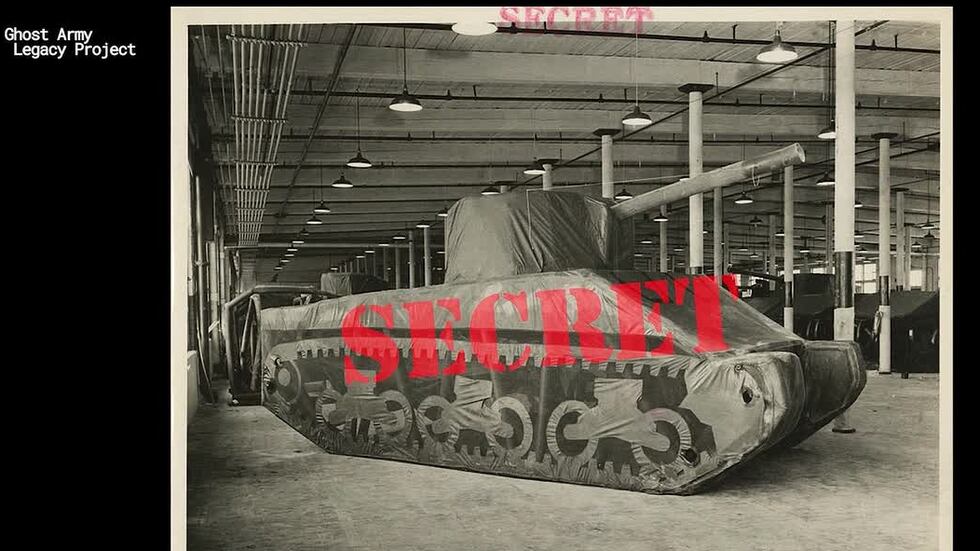
A special U.S. Army unit saved an estimated 30,000 lives, not with bullets and bombs, but with inflatable tanks, sound effects and sheer creative ingenuity.
They were ‘The Ghost Army,’ a top-secret tactical deception unit whose mission was so classified that most of its members took their incredible story to the grave.
Now, decades after their service, the story of these unsung heroes is finally being told, revealing a chapter of the war that was fought with imagination as much as with firepower.
A secret mission of deception
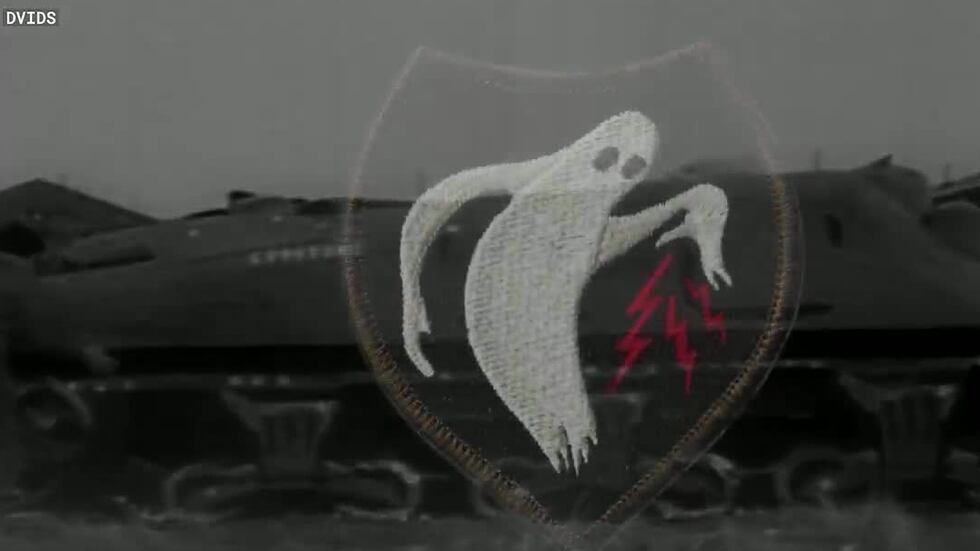
The Ghost Army was comprised of just 1,100 men, a small but uniquely talented group handpicked for their high IQs and artistic abilities. Their ranks included artists, actors, architects and sound engineers, men whose skills were repurposed for the art of war.
Their mission was to deceive the enemy by utilizing tactics, such as impersonating larger U.S. Army units to deceive.
“This is the story of a World War II deception unit that used inflatable tanks, sound effects and illusion to fool the enemy on the battlefields of Europe,” Rick Beyer, an author who has dedicated years to documenting the unit’s history, said.
Their arsenal was unlike any other. Instead of steel tanks, they wielded 93-pound inflatable rubber decoys. Instead of artillery, they used powerful speakers mounted on trucks to blast the sounds of advancing armies across the countryside. They created phony radio traffic, dressed in the uniforms of other divisions and even painted fake insignias on their vehicles to complete the illusion.
“The concept is to make something very small look like it’s very large,” Beyer explains. “Or make a unit look like it’s in one place when it’s really still back on the ships unloading, or 200 miles behind you.”
In more than 20 battlefield missions, the Ghost Army successfully created the illusion of a force of 30,000 men, drawing German divisions away from the real Allied attacks. They were often dangerously close to the front lines, putting on a performance for an enemy that would have shown no mercy had their ruse been discovered.
“They’re under fire, and yet they’re using inflatables, they’re using sound effects,” Beyer said. “They are playing make-believe, for Heaven’s sake.”
The weight of a secret
For the men of the Ghost Army, the secrecy of their mission was a heavy burden.
John Joseph Williams was one of them. His son, John, and grandson, Michael, knew he had served in the war.
He had told them stories of driving a truck through the Arc de Triomphe and of being at Omaha Beach on D-Day. But he never told them the whole story.
“The fact that he was able to hold the ultimate secret that long was always astounding to me,” his son said.
It wasn’t until 1996, when the Ghost Army’s records were finally declassified, that Williams and the other surviving members were able to share the truth with their families.
Karen Skibba’s father, Albert Albrecht, was a sonic half-track operator, responsible for playing the sound effects that mimicked the sounds of an advancing army. She remembers him telling her that he always carried dynamite in his truck.
“If they got close enough, they would have had to blow up everything,” she said, highlighting the incredible risk they faced.
But what he was most proud of, she said, was not just fooling the enemy, but saving lives without taking any.
“He didn’t ever have to kill anybody or even to shoot his gun,” she said. “His job was to save lives, both American and German life.”
A legacy revealed
Today, the story of the Ghost Army is no longer a secret. A traveling museum exhibit is bringing its incredible mission to light, showcasing the inflatable tanks, the artwork created by the soldiers in their downtime, and the personal stories of the men who served.
For many of the families, the exhibit is a powerful and often emotional experience.
When asked how she feels walking through the exhibit, Skibba said she had mixed emotions.
“Joy that the word has finally got out about the Ghost Army,” she said, fighting back tears, “and sadness that my dad can’t be here to see it.”
An honor long overdue
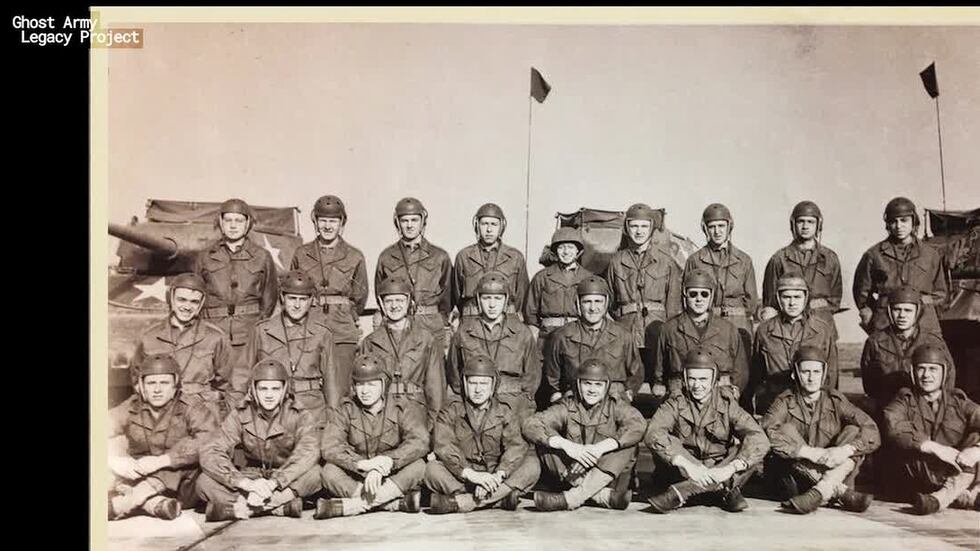
Most of the Ghost Army veterans have passed away; only five are still living.
The story of the Ghost Army is a testament to the idea that sometimes, the most powerful weapon is not a gun, but an idea. They were the hidden ghosts of history, and now, their story will live on forever.
Copyright 2026 Gray Media Group, Inc. All rights reserved.