More than half of Georgia teachers use AI, CSRA educators weigh in
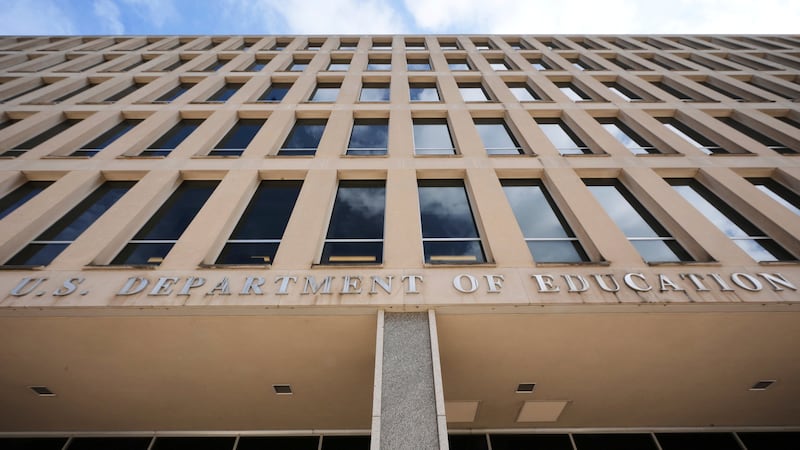
AUGUSTA, Ga. (WRDW/WAGT) - A new state audit found that more than half of Georgia teachers use artificial intelligence tools in their classrooms, as educators prepare for the upcoming school year.
Liz McKibben, technology director at Episcopal Day School, a private K-8 institution, said AI is here to stay.
“It’s not going away, but it is a tool to be managed,” McKibben said.
She said the benefits for teachers are tangible, teachers can use AI tools to save them time on creating assessments and personalizing lesson plans to students.
According to the audit, teachers most commonly use AI for instructional planning and preparation, creating materials for students with different learning needs, and building assignments and assessments. The audit found that 84% of teachers who use AI said it helped them save time, and 89% rated its overall impact on their teaching practice as positive.
For students, McKibben says AI poses a threat. AI can assist learning, but some students may use it to avoid learning.
Richmond County schools called federal sex assault probe a ‘review.’
When the Richmond County School System announced it was under federal scrutiny for its handling of sexual harassment and sexual assault allegations, district leaders called it a review.
“Bypassing the effort of learning is really both the appeal for students and the danger to their actual learning,” she said.
She acknowledged students will attempt to use AI to cheat but said the technology has limits.
“It can help them, but it can’t replace them,” McKibben said. “They’re individual learners with individual thoughts, and we want that voice. We want those opinions.”
Deidra Shears, a parent and substitute teacher at Davidson Fine Arts Magnet School, offered guidance for families.
“For parents, I would say be engaged,” Shears said. “Encourage your kids to allow AI to help you brainstorm or study or understand a topic, but don’t let AI speak for you.”
The audit found that teachers in Georgia’s wealthiest districts were far more likely to receive training on how to handle AI in the classroom. In districts where 50% to 75% of students live in poverty, approximately 37% of teachers said they received no guidance. In the highest-poverty districts — where 75% to 100% of students qualify — about 35% of teachers reported receiving neither training nor guidance. By contrast, only 17% of teachers in the lowest-poverty districts reported the same.
McKibben said professional development on AI should be a priority.
“The training is absolutely necessary,” she said. “It’s necessary, it’s worthwhile. It should be near the top of every school district’s PD platform.”
There is currently no state law governing the use of AI in Georgia classrooms, though many districts have implemented their own policies.
Copyright 2026 WRDW/WAGT. All rights reserved.