How AI tool is catching Ga. cops for misusung Flock license cams
ATLANTA, Ga. - A growing number of Georgia police officers have been fired, arrested or removed from duty over allegations they misused the Flock Safety license plate reader database for personal reasons, including accusations of tracking romantic partners and acquaintances.
Just Monday, the Richmond County Sheriff’s Office said three more deputies had been fired and arrested over this very issue. The join a number of other officers arrested in the CSRA and across the Peach State.
AU police updating license plate data request policy after News 12 inquiry
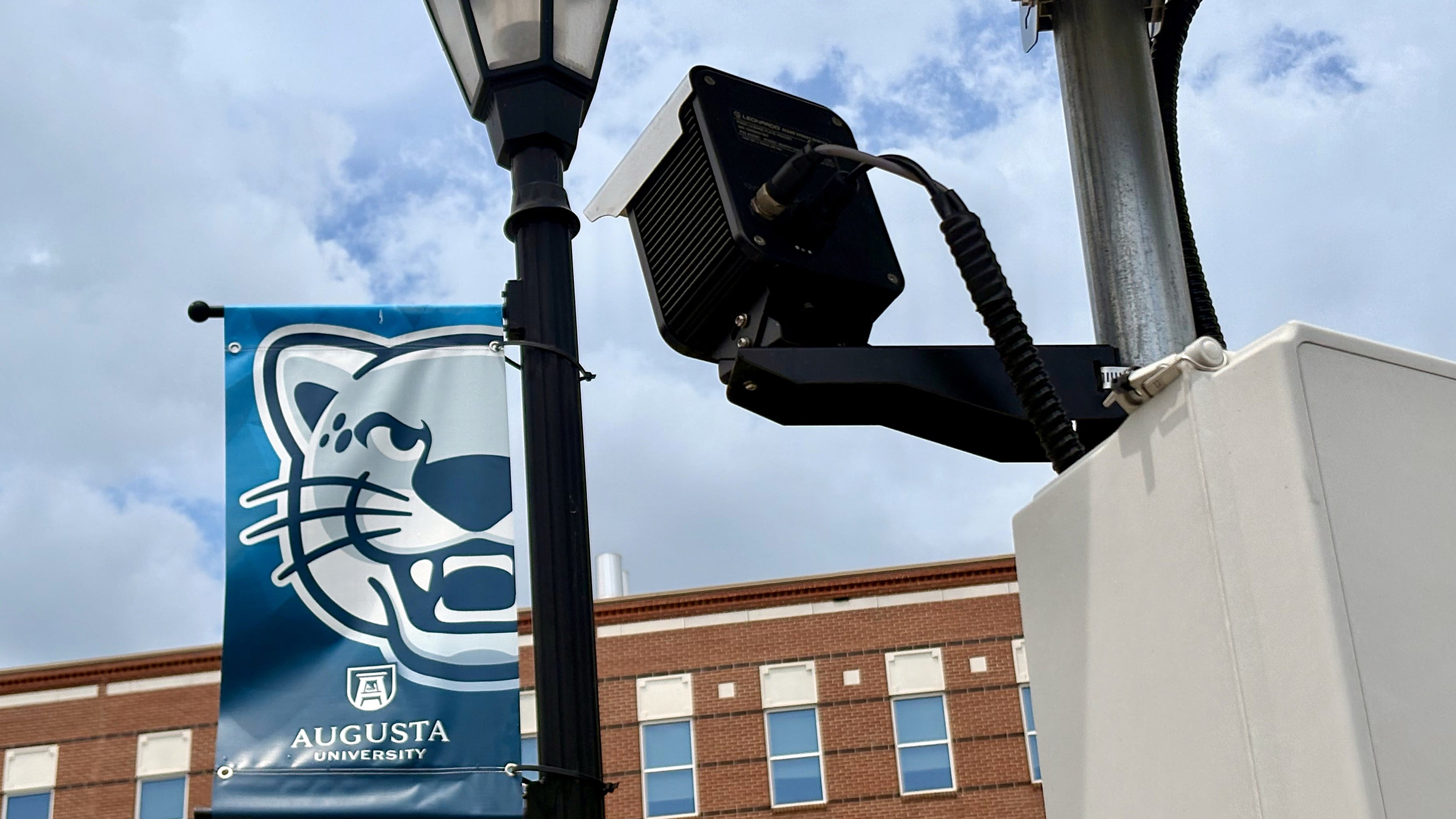
Augusta University spent more than $200,000 on a license plate reader system. Now, a News 12 inquiry has prompted the school’s police department to update how outside agencies can access that data.
On at least 20 cases in Georgia in the past year, officers faced discipline and/or criminal allegations tied to improper use of the Flock system. The cases are part of a broader national pattern of concerns about how law enforcement accesses and uses searchable vehicle-location data.
Flock Safety told Atlanta News First Investigates in April that it launched a new “audit assistance” tool designed to help agencies identify potentially suspicious searches. A company spokesperson said the system uses artificial intelligence to flag searches that may be outside a department’s policy, sending questionable activity to supervisors for review.
Flock also says searches are recorded in audit logs.
The company’s new tool, according to Flock, is intended to reduce the burden on supervisors by flagging searches for review, rather than requiring departments to manually sift through large volumes of audit logs.
Flock has argued that officer firings and arrests demonstrate that internal safeguards and audit features are working.
“Flock’s audit tools have proven effective at enabling accountability – in many of the rare documented cases of misuse of our platform, it was our own audit logs that surfaced the issue,“ said Paris Lewbel, a Flock spokesperson.
But the recent wave of cases raises two major questions:
- How much misuse may have occurred before the new audit tool existed, particularly in cases where searches were allegedly tied to stalking or domestic situations?
- What happens to public accountability when audit information is reduced or anonymized?
Atlanta News First Investigates found that Flock has removed officer names from audit logs where outside agencies search a department’s data, replacing the officer names with anonymized Flock ID numbers. Flock has said the change was made to protect officer safety and active investigations after requests from law enforcement.
“We identified a pattern of activists using publicly released audit data to identify undercover officers by name – publishing their contact information alongside details of active investigations," Lewbel said. “Nearly 200 law enforcement leaders raised this concern directly with our leadership, and we acted on it.”
In addition, Flock no longer includes license plate numbers in audit logs, which critics say makes it harder for the public to determine whether an officer searched for a specific vehicle improperly.
In at least two cases nationwide — including one in Georgia — alleged victims learned an officer they knew was searching their plate data after using HaveIBeenFlocked.com, a website that compiled a searchable database using public records. The site highlighted the audit trail and helped some people identify suspicious activity tied to specific officers.
Flock changed what information is visible in the audit logs specifically because those records are available to the public through open records requests. Lewbel said, “All omitted information is preserved in full with the originating agency and remains available to authorized oversight bodies – nothing is deleted."
Supporters of LPR technology argue it helps solve crimes, locate stolen vehicles, and find missing persons. Critics counter that mass collection of vehicle-location data can be misused and that limiting audit details undercuts public oversight, particularly in cases where officers are accused of using government tools for personal tracking.
Copyright 2026 WRDW/WAGT. All rights reserved.