S.C. bill aims to prohibit SNAP members from buying candy and soft drinks
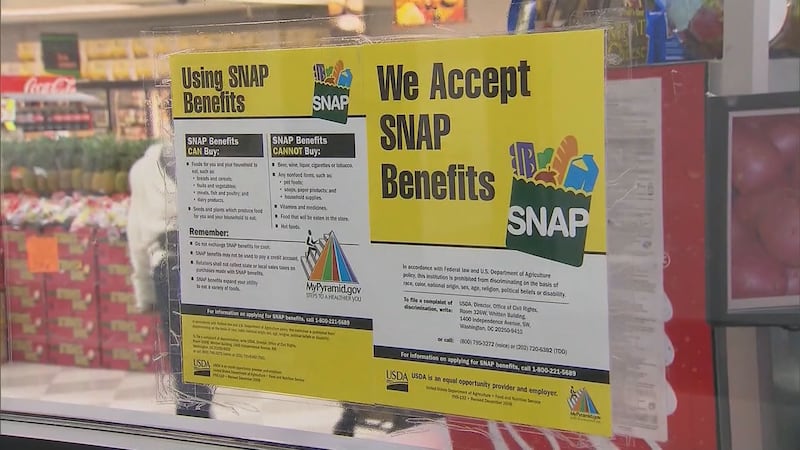
COLUMBIA, S.C. (WRDW/WAGT) - Some South Carolina lawmakers say they don’t want your tax dollars going towards sugary foods and beverages. They are trying to prohibit low-income individuals who are on food assistance from buying candy and soft drinks.
It’s called the South Carolina SNAP Nutrition Integrity Act. 7 out of the 8 sponsors are from the Upstate. The lead sponsor is Stephen Frank from Greenville. Fox Carolina took an in-depth look at how many people buy sugary foods and beverages with SNAP benefits and what that means for their health.
The sound, the bubbles, the taste; many sugary drinks are hard to resist.
“Just hearing the fizz, Coca-Cola is always really nostalgic. It’s a nice pick me up in the afternoon,” Greenville resident Whitney Smith said.
Bill would exempt tips from income taxes in South Carolina
Some workers in South Carolina might not have to pay taxes on a significant portion of their income if a bill filed at the State House becomes law.

Greenville resident Rebecca Couchey says her favorite sugar drink is a Starbucks refresher.
“They are sweet, and if I don’t have one and I am thinking about one,” Couchey said. “I am already salivating. It’s like, oh I really want one.”
But good-tasting doesn’t always mean good for you.
“That is one of the things I have cut out of my diet [sugar] and I just feel so much better,” Couchey said.
It’s why lawmakers want to prohibit those on the Supplemental Nutritional Assistance Program (SNAP) from buying candy and soft drinks. According to the bill, “candy” means anything with sugar, honey or artificial sweeteners in the form of bars, drops or pieces. “Soft drinks” mean carbonated beverages sweetened with sugar or artificial sweeteners, not including milk and juice.
City details current projects, future of North Augusta
The growing city has a lot heading its way, from apartments to a new public safety headquarters.

“We know they [candy and sugary drinks] are linked to risk of obesity, dyslipidemia, type 2 diabetes, among other things,” Blue Ridge Pediatrics Dr. Carey Gully said.
Dr. Gully says even diet drinks aren’t necessarily better.
“The artificial sweeteners still contribute because they are sweeter and trick the mind into craving more sugar, which is increasing the caloric intake or calories that people are eating,” Gully said.
According to a report published in the National Library of Medicine, those on SNAP benefits purchase 40% more sugar-sweetened drinks than those who were not. It found that soft drinks accounted for 6.9% of the grocery bills of SNAP users.
“In moderation, those things are okay,” Gully said. “But drinking them as a primary source of fluids is a bad idea.”
MORE FROM NEWS 12
South Carolina: Latest from the State House

- Outside auditors testify again on S.C.’s $1.8B discrepancy
- S.C. Gov. Henry McMaster to speak at South by Southwest Festival
- SCDOT eyes law change that would impact how much EV drivers owe state
- Change in S.C. law could expand options for kids in foster system
- S.C. House passes liquor liability law, but tort reform effort stalls
- New partnership aims to help human trafficking victims in South Carolina
The American Beverage Association is against the legislation. In a release from 2024, it said:
“Beverages are not driving obesity rates. The latest data shows that adult obesity rates have increased even as soda consumption decreased.” Adding in part quote “Limiting choice by restricting snap purchases is a slippery slope that won’t make Americans healthier. It is government overreach that takes away choice from families…”
“I would encourage people to remember water,” Gully said. “It’s free for the most part. It’s everywhere and it is probably the healthiest thing we can drink.”
State lawmakers don’t have the authority to straight out ban candy and soft drinks from SNAP benefits because it’s a federal program. Lawmakers are asking for a waiver from the USDA to impose these restrictions in South Carolina. If the bill is passed and the waiver is granted it would go into effect six months after approval. As of March 13, the bill is in committee.
Copyright 2025 WRDW/WAGT. All rights reserved.